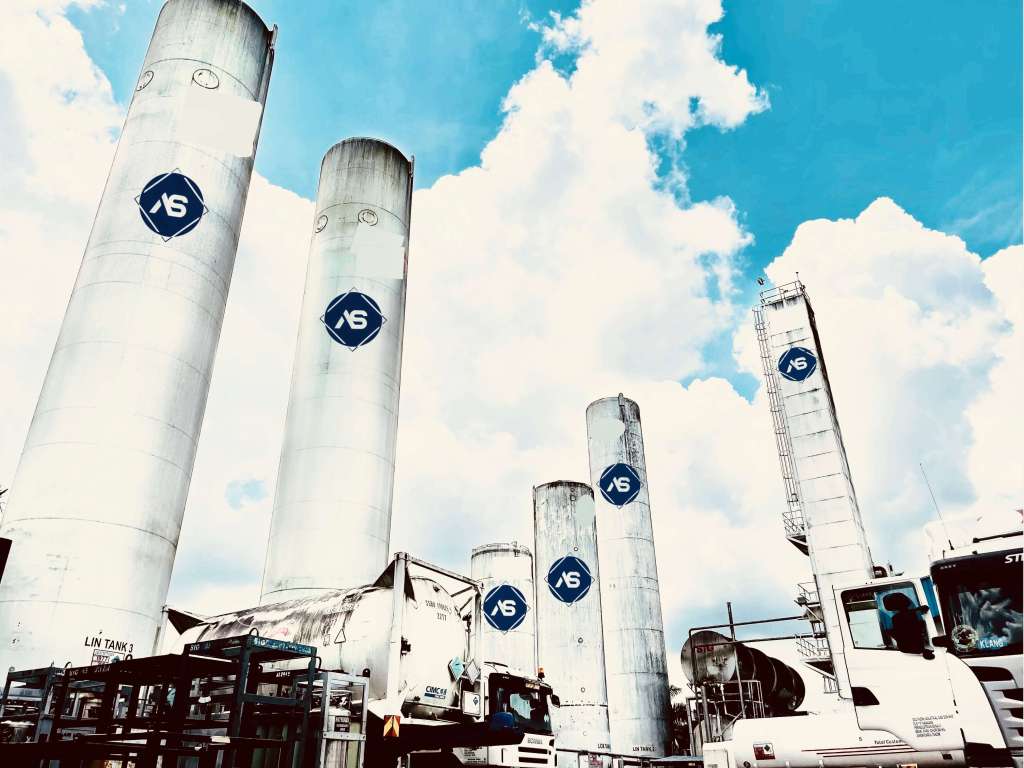
Good news is that there are things you can do to measure and monitor the various industrial gases your company uses to prevent these losses. Nitrogen, oxygen, carbon dioxide, argon, hydrogen, helium and acetylene are among the most commonly rabid industrial gases. Parts of any type of gas are used in industry for a variety of reasons.
Industrial gas supplier malaysia are chemical or elementary gases or chemical compounds, both organic and inorganic. Most commonly used industrial gases include acetylene, argon, carbon dioxide, oxygen, nitrogen and hydrogen. Balloon Helium and medical oxygen are two of the most widely used industrial gases by the general population.
They are used in the medical and food industry for medical gases, processing and packaging gases and foodstuffs. Petrochemical companies such as those attending the Reuters Chemical Summit in Frankfurt produce oxygen, helium and nitrogen gas for the semiconductor and healthcare sectors. Gas crop products include ethane, propane, butane and butane propane (a mixture of petroleum and plant condensate), sulfur, carbon dioxide, nitrogen and helium.
Most fuel gases consist of hydrocarbons (methane, acetylene, propane, propylene, hydrogen, carbon monoxide and oil vapour) wholly or partially. Greenhouse gases differ mainly in their ability to absorb energy (greenhouse gas radiation efficiency) and how long they remain in the atmosphere (known as their lifespan).
In the case of carbon dioxide produced for sale, the sale of a gas contains only hydrocarbon gas, and reserves and production reflect the hydrocarbon of the gas sold. However, if the gas is sold as produced, this includes some of the carbon dioxide; for example, reserves or production may include carbon dioxide.
In the case of hydrocarbon-free gases, if present, the indicated quantity should reflect the state of the gas at the point of sale. The inventory of greenhouse gas emission sinks should use a different value. This update is based on updated scientific estimates of the lifespan of energy absorption of gas and changes in atmospheric concentrations of greenhouse gases resulting from changes in energy absorption (e.g. An additional tonne of gas) compared to the past.
Air Products raised its full-year profit forecast due to the strength of its gas business and the six new hydrogen plants it plans to bring online this year.
Analysts say the rivalry between industrial gas companies over hydrogen contracts is fierce and focuses on packages, services and prices. About 70 percent of the growth in demand for hydrogen in the U.S.
Raw natural gas contains different amounts of heavy hydrocarbons that can be liquefied under atmospheric conditions, water vapour containing sulphur compounds such as hydrogen sulphide and other hydrocarbon-free gases such as carbon dioxide, nitrogen and helium, all of which are recyclable by their hydrocarbon content.
Reduced inert gases can be compressed and heated to reduce energy consumption, reduce gas compression requirements, and reduce the amount of fuel needed to produce a certain amount of a product. Nitrogen has a variety of applications, such as gas mixtures, laser calibration of gases and atmospheric packaging methods. Another advantage of oxygen enrichment by pure air is the energy saving by reducing the nitrogen and other gases that pass through furnaces and chemical processes.
Mixed gas from our automated filling solutions guarantees consistent quality. Your gas will be hard and good and come from the same truck, making the delivery process as painless as possible. In addition, we offer a full range of welding and cutting machines.
 Arun Kumar