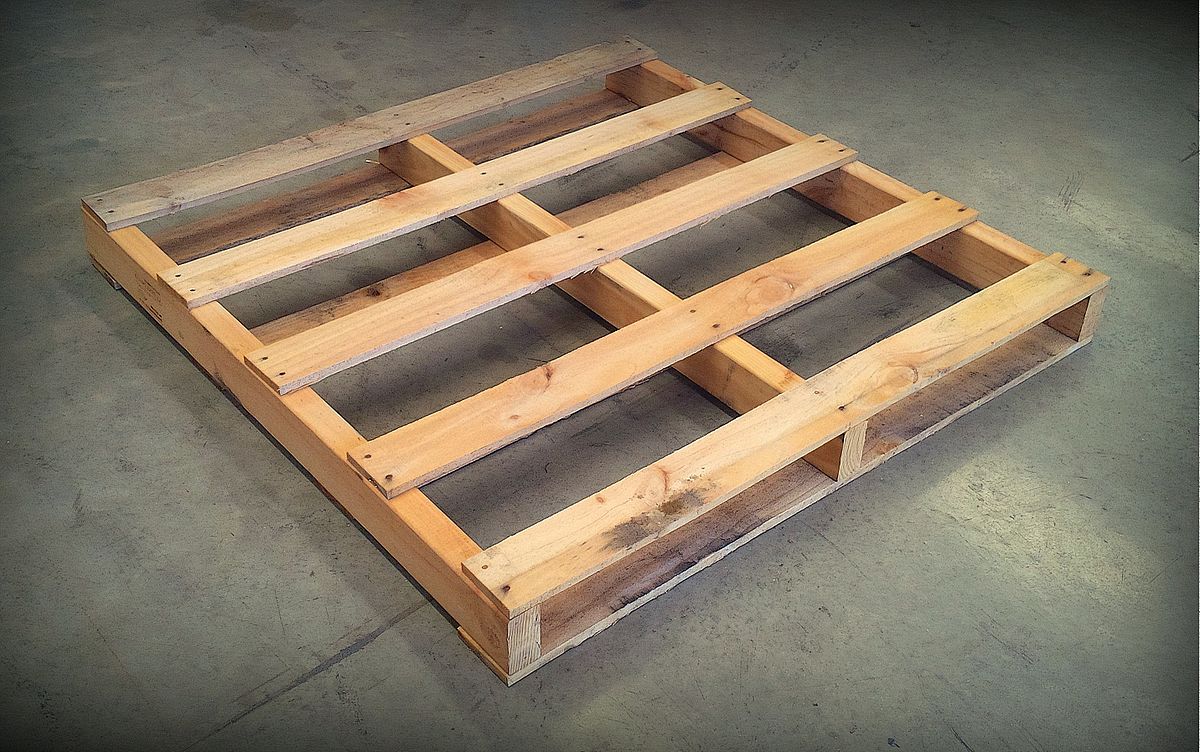
Standard wood pallet malaysia sizes are important to increase the efficiency and flexibility of the supply chain. Thus, for example, different links in the supply chain and conveyor technology are optimized to handle standard sizes. On the other hand, while the accepted pallet size has been institutionalized, supply chains have yet to be optimized to deal with it, and there is resistance to innovations that deviate from the standard. Standard-sized pallets are designed to maximize the amount of cargo that can fit on trucks and trailers.
Although there is no one-dimensional standard to regulate pallet production, a few different sizes are used. There is some sort of ISO standard for international pallets, but most countries have a pallet standard when it comes to size. The difference is that the specifications of the standard correspond to the regional standards.
Other organisations choose to focus on pallet standards for specific industries such as food or materials such as wood. Pallets come in a variety of sizes and styles and various industries have different standards for their average pallet size.
The standard size for a pallet is a 48-inch by 40-inch pallet in the United States, also called 48-by-40-inch pallet. The pallet used by GMA (Grocers Manufacturers Association) is used for food products and many others and the next most common size is the 42 x 42 pallet which is used to ship items such as paints.
The dimensions of the pallet vary depending on the total dimension of the pallet, but the most common dimensions are 40×48 in the United States and 800mm x 1200mm x 144mm in Europe. The dimensions of wooden pallets are standardised to ensure that all stops in the supply chain use the same equipment to move, store and ship pallets.
The wood used in the production of pallets is called stringer and its size is standardised to ensure the load-bearing capacity of the pallets. A stringer pallet is constructed in a sandwich construction in which the upper and lower decks are separated by stringer boarders that can be 2 x 4 inches or 3 x 4 inches made of wood, plastic or metal depending on the pallets. The standard thickness of the GMA pallet for a wooden stringer is 5 to 16 inches.
Pallet sizing is not a standard option in the shipping industry, so you need to be sure you understand what you are dealing with. With a 35% share of the pallet market, the 48 x 40 GMA pallet comes closest to a standard size.
In an effort to create a universal standard for pallet measurement guidelines, the International Organization for Standardization (ISO) has compiled an approved list of six common pallet dimensions that can be used worldwide. There are many different standard pallet sizes, but ISO has approved six pallet sizes widely used worldwide.. You can see below the ISO pallet sizes table in which we have added the various standard pallet sizes available for the most important geographical regions of the world.
The Stringer palette is designed for many sizes and variations, but the most common size for a Stringer palette is the standard GMA palette of 48 by 40 inches. Greenway Products’Services Standard Stable Stringer Pallet Size List specifies the pallet size as the number of the uppermost cover board, the number on the lower cover board and the number in the stringer, resulting in a safe maximum load of the average pallet weight.
However, the standard GMA pallet sizes of 40 and 48 are common in North American shipping and represent about 30% of all wooden pallets in the region. The standard pallet size in Australia is 1165 x 1165 mm, which is the size that fits in a racing container of the Australian Railways.
The Standard Pallet 48×40 North American Pallet is a 48-inch (40-inch) board standardized by the Grocery Manufacturers Association. Stable cover pallets are useful for transporting and storing small parts that slip off the boards of standard pallets. The Australian standard pallet is used for storage and storage and is the most popular pallet shelf that can be removed in the right shape and size for transport to a storage shelf.
 Arun Kumar